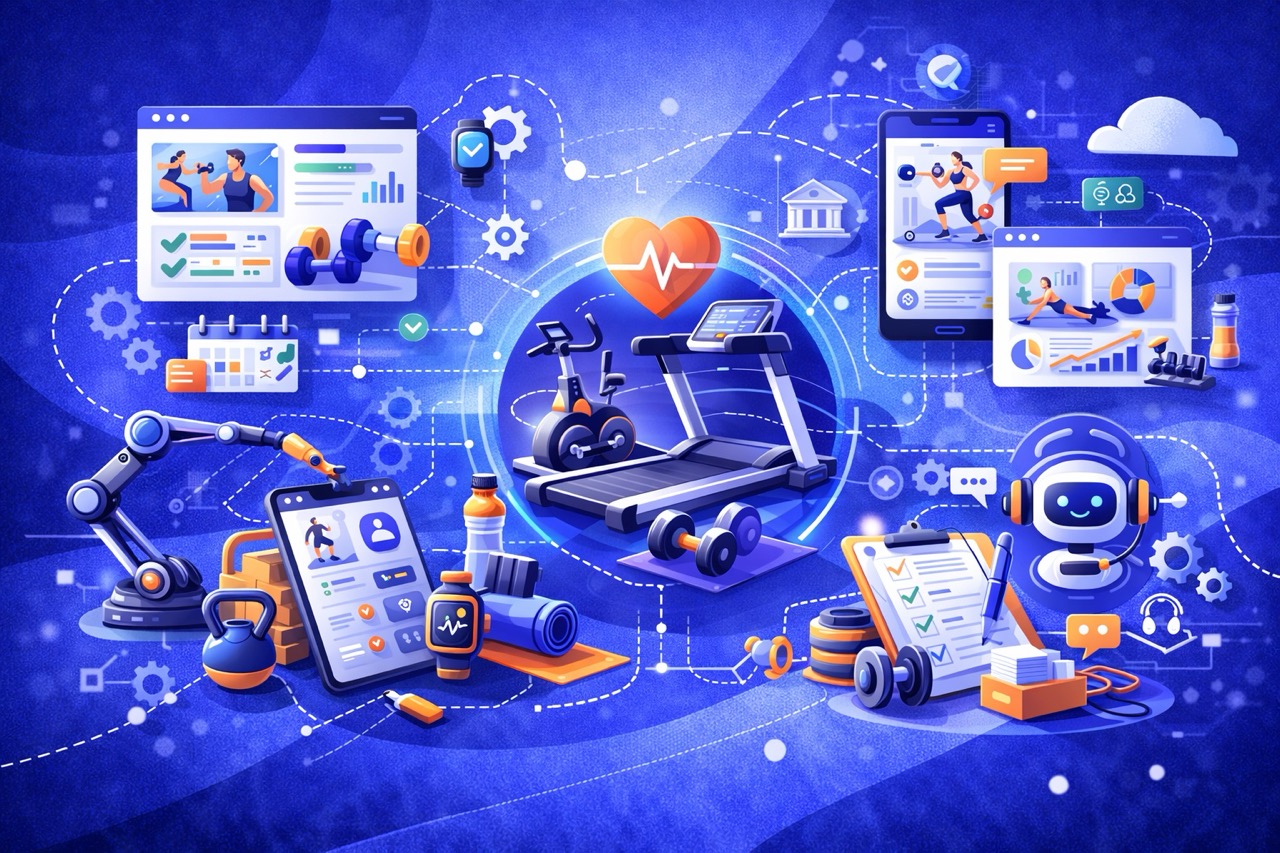
Running a fitness business comes with its fair share of challenges. From juggling class schedules and coach assignments to ensuring timely membership renewals and keeping churn rates in check, the operational demands can quickly become overwhelming. Add to that the frustration of missed opportunities due to inefficient lead follow-up after trial classes, and it’s clear that manual processes are holding your gym back from reaching its full potential.
This guide is your ultimate resource for leveraging automation to streamline your operations and drive growth. Whether you’re struggling with messy scheduling, inconsistent billing, or retaining members, automation offers powerful solutions to eliminate inefficiencies and free up your time to focus on what matters most—building a thriving fitness community. By the end of this guide, you’ll have actionable insights and tools to take control of your gym’s processes and elevate your business to new heights.
Manual Work Costs: The Hidden Price of Running Your Gym Without Automation
True Labor Expenses: Calculating Time Spent on Manual Tasks
Every hour spent on manual tasks is an hour not spent growing your gym. Think about the time your staff spends juggling spreadsheets, sending follow-up emails, or manually assigning coaches to classes. These tasks may seem minor, but they add up quickly.
Let’s break it down: if your team spends 2 hours daily on scheduling, billing, and follow-ups, that’s 10 hours a week—or 520 hours a year. Multiply that by the average hourly wage of your staff, and you’ve got thousands of dollars lost annually. And that’s just the financial cost. The opportunity cost of not focusing on member engagement or strategic growth is even higher.
Why It Matters: Time is your gym’s most valuable resource. Automating repetitive workflows can save hundreds of hours annually, allowing your team to focus on delivering exceptional member experiences.
Member Churn Impact: Lost Revenue from Untracked Dropouts
Member churn is the silent killer of gym profitability. Without automation, it’s easy to lose track of members who stop attending classes or fail to renew their memberships. These dropouts often go unnoticed until it’s too late to win them back.
Consider this: if your gym has 500 members and a monthly churn rate of 5%, that’s 25 members lost every month. At an average membership fee of $50, you’re losing $1,250 monthly—or $15,000 annually. Worse, manual processes make it nearly impossible to identify at-risk members early enough to intervene.
Pro Tip: Implement churn prediction tools to flag disengaged members before they leave. Personalized outreach campaigns can reduce dropout rates significantly.
Scheduling Errors: Cost of Double-Booked Classes and No-Shows
Manual scheduling is a breeding ground for errors. Double-booked classes lead to frustrated members, while no-shows leave your studio underutilized. Both scenarios hurt your reputation and bottom line.
Imagine a popular class with 20 spots being double-booked. You now have 10 members who can’t attend, likely leading to complaints or cancellations. On the flip side, a no-show in a personal training session means wasted time for your coach and lost revenue for your gym. These errors create ripple effects that damage member satisfaction and operational efficiency.
Why It Matters: Automated scheduling tools eliminate human error, ensuring optimal class utilization and happier members. Plus, they can send reminders to reduce no-shows.
Billing Mistakes: Late Payments and Failed Renewals
Billing errors are not just inconvenient—they’re costly. Late payments disrupt your cash flow, while failed renewals can lead to lost memberships. Manual billing processes often rely on staff to chase payments or remind members, which is both time-consuming and prone to oversight.
For example, if 10% of your members miss their renewal deadline, you could lose thousands in recurring revenue. Worse, manually tracking these issues means your staff spends hours chasing payments instead of focusing on member retention or upselling premium services.
Pro Tip: Use automated billing systems to handle renewals, send reminders, and even recover failed payments. This ensures consistent cash flow and fewer awkward conversations with members.
For a deeper dive into how automation can eliminate these costly manual workflows, explore our Fitness & Gyms automation service.
Maturity Levels: 4 Stages of Gym Operation Automation Excellence
Automation isn’t an all-or-nothing approach—it’s a journey. Gym owners and managers often progress through distinct stages as they integrate technology into their operations. Understanding where you stand and what’s next can help you prioritize investments and avoid overwhelm.
Manual Chaos
Basic Spreadsheets and Phone Calls
At this stage, gym operations rely heavily on manual processes. Class schedules are managed in spreadsheets, membership data is scattered across files, and communication with members happens via phone or email. Mistakes are common, and scaling feels impossible.
High labor costs, frequent errors, and limited growth potential.
Digital Adjuncts
Standalone Scheduling or Billing Tools
This stage introduces basic digital tools like scheduling apps or billing software. While these tools reduce manual effort, they operate independently, creating silos of information. Staff still spends time reconciling data between systems.
Improved efficiency but limited integration across workflows.
Integrated Workflows
CRM, ERP, and Booking Sync
At this level, gyms implement systems that connect workflows. For example, a CRM integrates with scheduling software and billing platforms, creating a seamless flow of information. Member data is centralized, enabling better reporting and decision-making.
Streamlined operations, reduced errors, and enhanced member experience.
Predictive Optimization
AI-Powered Retention Models
The pinnacle of automation maturity. AI tools analyze member behavior to predict churn, optimize class schedules, and personalize outreach campaigns. Decision-making is driven by data, allowing gyms to proactively address issues and maximize revenue.
Data-driven growth, higher retention rates, and scalable operations.
Why It Matters: Knowing your gym’s automation maturity level helps you focus on the right upgrades. Jumping to advanced tools without mastering foundational systems can lead to wasted resources and frustration.
Pro Tip: Start small. If you’re at Level 1, prioritize tools that automate your most time-consuming tasks, like scheduling or billing. For tailored recommendations, explore our Fitness & Gyms automation service.
Manual Tasks: 10 Costly Workflows Slowing Down Your Gym
Task 1: Class Scheduling and Studio Utilization
Manually managing class schedules is a logistical nightmare. From juggling instructor availability to ensuring studio space is optimized, errors are inevitable. Overbooked classes lead to member dissatisfaction, while underutilized spaces waste potential revenue.
Consider this: if your studio can host 10 classes a day but only 7 are consistently booked due to poor scheduling, you’re losing out on 30% of your potential income. Worse, manual scheduling often fails to account for peak times or member preferences, leaving your most popular slots under-optimized.
Why It Matters: Automating class scheduling ensures every studio space is used efficiently. Tools can analyze trends, suggest optimal times, and even send reminders to members to boost attendance.
Task 2: Coach Assignment and Communication
Assigning coaches manually often leads to mismatches between their expertise and the class type. For example, assigning a strength coach to a yoga class can result in subpar member experiences. Additionally, manual communication—via email or phone—wastes valuable time.
Imagine a coach showing up unprepared because they didn’t receive a timely update about their assigned class. This not only frustrates members but also impacts your gym’s reputation. Automation can ensure coaches are assigned based on skills, availability, and member feedback, while keeping communication seamless.
Pro Tip: Use scheduling software that integrates coach profiles with class assignments. This ensures every session is led by the right expert, boosting member satisfaction and retention.
Task 3: New Member Onboarding and Forms
New member onboarding is often a tedious process involving paper forms, manual data entry, and endless follow-ups. Not only does this waste time, but it also creates a poor first impression for new members.
For instance, if onboarding takes 30 minutes per member and you sign up 50 new members a month, that’s 25 hours of staff time wasted. Automation can streamline this process with digital forms, auto-generated contracts, and welcome emails, saving time and improving the experience.
Task 4: Trial Class Lead Follow-Up
Trial classes are a critical conversion point, but manual follow-ups often fall through the cracks. If a lead attends a trial class and doesn’t hear back promptly, they’re likely to join a competitor.
Automation can ensure every lead receives timely follow-up emails or SMS messages, personalized to their preferences. For example, a system could automatically send a “Thank You” message with a special offer within 24 hours of their trial class.
Why It Matters: Automated follow-ups increase conversion rates and ensure no lead is left behind. A small investment in automation can yield significant returns in membership growth.
Task 5: Attendance Tracking and Reporting
Tracking attendance manually is not just time-consuming—it’s prone to errors. Missed check-ins or inaccurate reporting can skew your data, making it harder to identify trends or address issues.
Imagine trying to analyze attendance patterns with incomplete data. You might miss insights like declining participation in certain classes or peak times for member visits. Automated attendance tracking tools can provide real-time data, helping you make informed decisions.
Task 6: Membership Billing and Late Fees
Billing is one of the most error-prone manual tasks. Late payments disrupt cash flow, and chasing members for overdue fees is uncomfortable and inefficient.
For example, if 20% of your members consistently pay late, your staff could spend hours every month sending reminders or processing payments. Automated billing systems eliminate this hassle by sending reminders, processing payments, and even handling late fees automatically.
Pro Tip: Invest in a payment gateway that integrates with your membership software. This ensures smooth billing cycles and reduces the risk of failed payments.
Task 7: Contract Renewals and Upgrades
Manually tracking contract renewals and upselling premium memberships is a major bottleneck. Staff often forget to follow up, leading to missed revenue opportunities.
Automation can send renewal reminders and highlight upgrade options based on member behavior. For example, a member who attends advanced classes regularly could be nudged toward a premium membership tier.
Task 8: Payment Dispute Resolution
Resolving payment disputes manually can take hours of back-and-forth communication. Without a clear system, disputes can escalate, damaging member relationships.
Automated systems can log disputes, track resolution steps, and even offer self-service options for members to resolve issues quickly. This reduces staff workload and maintains member trust.
Task 9: Performance and KPI Dashboards
Manually compiling performance metrics is a tedious process that often results in outdated or incomplete data. Without accurate KPIs, it’s impossible to measure growth or identify areas for improvement.
Automated dashboards can pull real-time data from all systems, giving you instant insights into metrics like member retention, class utilization, and revenue trends.
Why It Matters: Real-time dashboards empower you to make data-driven decisions, improving operational efficiency and profitability.
Task 10: Inventory and Resource Ordering
Managing inventory manually leads to overstocking or running out of essential items like towels, supplements, or cleaning supplies. Staff often waste time tracking inventory levels or placing orders.
Automation can track usage patterns and trigger reorders before you run out, ensuring your gym is always stocked. For example, a system could automatically order cleaning supplies when inventory drops below a certain threshold.
Pro Tip: Use inventory management software that integrates with your scheduling system. This ensures resources align with class demand, reducing waste and saving money.
For more strategies to streamline these workflows, explore our Fitness & Gyms automation service.
Strategic Playbooks: 3 Proven Frameworks to Scale Your Studio
Scaling your gym isn’t just about adding more members—it’s about optimizing every touchpoint to maximize revenue, retention, and efficiency. These three playbooks are designed to help you turn manual chaos into streamlined growth.
Playbook 1 – High-Touch Trial to Paid Conversion Sequence
Trial classes are your gateway to new memberships, but without a structured follow-up system, many leads slip through the cracks. This playbook ensures every trial attendee feels valued and motivated to join.
Steps to Implement:
Step 1: Map the Trial Experience
Step 2: Automate Follow-Up Emails and SMS
Step 3: Score Lead Engagement
Why It Matters: A well-executed trial follow-up sequence can boost conversion rates by up to 30%, turning casual attendees into loyal members.
Playbook 2 – Dynamic Class and Coach Matching
Your members want personalized experiences, and your coaches want to play to their strengths. This playbook helps you match the right coach to the right class, optimizing satisfaction and performance.
Key Features:
Profile Coach Skills and Availability
Create detailed profiles for each coach, including certifications, specialties, and preferred schedules.
Auto-Assign Classes Based on Performance Data
Use performance metrics to allocate coaches to classes where they excel, ensuring consistent quality.
Optimize Schedules for Member Preferences
Analyze attendance trends to align class timings and coach assignments with peak demand.
Pro Tip: Invest in scheduling software that integrates coach profiles and member feedback. This ensures every class is perfectly matched, boosting retention and engagement.
Playbook 3 – Subscription Revenue Acceleration
Membership subscriptions are the backbone of your gym’s revenue, but manual billing and retention efforts often leave money on the table. This playbook focuses on automating and optimizing your subscription model.
How It Works:
Modular Membership Tiers
Offer flexible plans for every budget.
Automated Billing Cycles
Ensure timely payments with automated reminders and payment processing.
Churn Prediction Alerts
Identify at-risk members before they leave.
Win-Back Campaigns
Deploy personalized offers to re-engage churned members.
Why It Matters: Automated subscription management not only improves cash flow but also reduces churn by proactively addressing member needs.
For more strategies to scale your studio, explore our Fitness & Gyms automation service.
Tech Stack: The Best Tools to Automate Your Gym Operations
The right tech stack can transform your gym from a manual headache into a streamlined powerhouse. Below are the essential tools every gym owner should consider for automation, along with their key benefits.
Membership Management Software
Keeping track of member profiles, contracts, and attendance manually is a recipe for errors. Membership management software centralizes all member data, making it easy to manage renewals, upgrades, and engagement.
Centralized Member Profiles
Access all member data in one place, including contact info, payment history, and class preferences.
Automated Renewals
Send reminders and process renewals without lifting a finger, reducing churn.
Attendance Insights
Track member participation to identify trends and improve retention strategies.
Pro Tip: Look for software that integrates with your CRM and billing systems to avoid duplicate data entry.
Integrated Scheduling and Booking Platforms
Scheduling errors—like double-booked classes or missed appointments—can frustrate members and waste staff time. Integrated scheduling tools eliminate these issues by syncing calendars, coach availability, and member preferences.
Why It Matters: A seamless booking experience builds trust and keeps members coming back.
Automated Billing and Payment Gateways
Chasing late payments or dealing with failed transactions is not only awkward—it’s time-consuming. Automated billing systems handle everything from reminders to payment processing, ensuring consistent cash flow.
Key Features:
- Recurring Payments: Set up monthly or annual billing cycles with automatic deductions.
- Failed Payment Alerts: Get notified instantly if a payment fails, allowing quick resolution.
- Secure Transactions: Ensure compliance with PCI-DSS standards for payment security.
Pro Tip: Choose a gateway that supports multiple payment methods (credit cards, bank transfers, digital wallets) to accommodate member preferences.
Customer Relationship Management (CRM)
A CRM system is your secret weapon for member engagement. It helps you track communication, personalize outreach, and nurture leads effectively.
Lead Management
Track and convert trial class attendees.
Member Retention
Automate follow-ups and win-back campaigns.
Why It Matters: A CRM ensures no lead or member falls through the cracks, boosting both conversions and retention.
Analytics and Reporting Engines
Data is the lifeblood of growth. Analytics tools provide actionable insights into your gym’s performance, from revenue trends to class utilization rates.
Pro Tip: Use analytics platforms that integrate with your membership software for real-time KPI tracking.
API and Integration Middleware
No tool works in isolation. Integration middleware connects your systems, ensuring smooth data flow between platforms like scheduling tools, CRMs, and billing gateways.
Benefits:
- Unified Workflows: Eliminate silos by syncing data across all tools.
- Custom Automation: Build workflows tailored to your gym’s unique needs.
- Scalability: Easily add new tools as your gym grows.
Why It Matters: Middleware ensures your tech stack works as one cohesive unit, saving time and reducing errors.
Ready to upgrade your gym’s tech stack? Book a Free Audit to identify the best tools for your needs.
Automation Recipes: 5 Ready-to-Use Workflows That Save Hours Every Week
Recipe 1 – Class Reminder and Feedback Loop
Missed classes and absent feedback can lead to disengaged members. Automating class reminders and feedback collection ensures members stay informed and feel valued.
Step 1: Schedule Reminders
Step 2: Post-Class Feedback Request
Step 3: Analyze Feedback
Pro Tip: Integrate feedback results into your CRM to track satisfaction trends and address issues proactively.
Recipe 2 – Churn Risk Alert and Win-Back Sequence
Preventing churn starts with identifying at-risk members early. This workflow flags disengaged members and triggers personalized win-back campaigns.
Key Steps:
- Monitor Attendance Patterns: Use attendance tracking tools to spot members who haven’t visited in the last 30 days.
- Trigger Alerts: Set up automated alerts in your CRM for members flagged as “inactive.”
- Win-Back Campaign: Send tailored emails offering exclusive discounts, free classes, or a personal check-in call to re-engage them.
Why It Matters: Early intervention can save up to 70% of members who might otherwise drop out.
Recipe 3 – Membership Renewal and Upgrade Funnel
Manual renewals and upgrades are time-consuming and prone to errors. Automating this process ensures seamless transitions and maximizes revenue.
Step 1: Renewal Reminder
Step 2: Upgrade Offer
Step 3: Auto-Process Payments
Pro Tip: Use A/B testing in your upsell messages to find the most effective wording and offers.
Recipe 4 – Post-Trial Lead Scoring and Nurturing
Turning trial members into loyal subscribers requires timely follow-ups and personalized engagement. This workflow automates lead scoring based on trial activity.
Steps to Execute:
- Score Engagement: Assign scores to trial members based on attendance, feedback, and interactions during the trial period.
- Segment Leads: Group leads into categories like “Highly Engaged” or “Low Engagement” for tailored outreach.
- Automate Follow-Ups: Send personalized emails or SMS messages based on their engagement level, encouraging them to subscribe.
Why It Matters: Personalized nurturing can boost trial-to-paid conversion rates by up to 40%.
Recipe 5 – Personalized Workout Plan Distribution
Members thrive on customized experiences. Automating workout plan distribution saves time while delivering tailored solutions.
Automated Plan Delivery
Create personalized workout plans and send them directly to members via email or app notifications.
Progress Tracking Integration
Sync workout plans with performance tracking tools to monitor member progress.
Dynamic Adjustments
Update plans automatically based on member feedback or progress data.
Pro Tip: Combine this workflow with your CRM data to align plans with member goals and preferences.
Ready to implement these automation recipes? Book a Free Audit to identify the workflows that will save your gym the most time.
Compliance & Security: Protect Member Data and Avoid Fines
Data Privacy Laws (GDPR, CCPA) for Gyms
As a gym owner, you collect sensitive member data—names, contact details, payment information, and even health records. Compliance with data privacy laws like GDPR (General Data Protection Regulation) in Europe and CCPA (California Consumer Privacy Act) in the U.S. is non-negotiable. These regulations set strict rules on how you store, process, and share member data.
Key Requirements:
- Consent Management: Members must explicitly agree to how their data will be used. Use automated consent forms during onboarding to ensure compliance.
- Data Access Requests: Members have the right to request access to their stored data or ask for it to be deleted. Automate this process to avoid delays and errors.
- Breach Notifications: If a data breach occurs, you must notify affected members within a specific timeframe (72 hours for GDPR).
Why It Matters: Non-compliance can lead to fines as high as €20 million under GDPR or $7,500 per violation under CCPA. Protecting member data isn’t just ethical—it’s a financial safeguard.
PCI-DSS Standards for Payment Security
Handling payments means you’re responsible for protecting credit card information. PCI-DSS (Payment Card Industry Data Security Standard) outlines best practices to secure transactions and prevent fraud.
Compliance Essentials:
- Encrypted Payment Gateways: Use tools that encrypt cardholder data during transactions, ensuring no sensitive information is exposed.
- Regular Security Scans: Conduct vulnerability assessments and penetration tests to identify weak points in your payment systems.
- Access Controls: Restrict who can access payment data to prevent internal breaches.
Pro Tip: Partner with PCI-compliant payment processors to offload the technical burden and ensure your gym meets industry standards effortlessly.
Secure Access Controls and Encryption Practices
Your gym’s software and databases must be protected from unauthorized access. Implementing secure access controls and encryption practices is critical to safeguarding member data.
Best Practices:
- Role-Based Access: Limit data access based on staff roles. For example, trainers don’t need access to billing information.
- Two-Factor Authentication (2FA): Require 2FA for all staff logins to reduce the risk of unauthorized access.
- End-to-End Encryption: Ensure all data transfers—whether between your CRM and payment gateway or your scheduling tool and email platform—are encrypted.
Why It Matters: A single security lapse can compromise member trust and lead to legal consequences. Strong access controls and encryption protect your reputation and bottom line.
Regular Audits and Incident Response
Compliance isn’t a one-time task—it’s an ongoing process. Regular audits and a clear incident response plan ensure your gym stays ahead of potential risks.
Steps to Maintain Security:
- Quarterly Audits: Review your systems for vulnerabilities and verify compliance with privacy laws and PCI standards.
- Incident Response Plan: Create a step-by-step protocol for handling data breaches, including member communication and system recovery.
- Staff Training: Educate your team on security best practices, from spotting phishing attempts to following access protocols.
Pro Tip: Document Everything
Ready to secure your gym’s operations? Book a Free Audit to identify compliance gaps and protect your member data effectively.
Rollout Plan: 30-Day Action Plan to Automate Your Gym
Day 1-7: Process Audit and Gap Analysis
Before diving into automation, you need a clear picture of your current workflows. Start by identifying bottlenecks, inefficiencies, and manual tasks that consume the most time or lead to errors.
Steps to Audit Effectively:
- Map Existing Processes: Document how tasks like scheduling, billing, and onboarding are currently handled.
- Identify Pain Points: Look for recurring issues—double bookings, late payments, or missed follow-ups.
- Quantify Impact: Estimate the time and revenue lost due to these inefficiencies. For example, how much time does your staff spend chasing unpaid invoices?
Pro Tip: Involve your team during this phase. Their firsthand experience will uncover blind spots you might miss.
Day 8-14: Tool Selection and Initial Setup
With your audit complete, it’s time to choose the right tools to address your gaps. Prioritize solutions that integrate seamlessly with your existing systems and scale with your gym’s growth.
Tool Selection Checklist:
- Membership Management Software: Streamline member data and payments.
- Scheduling Platforms: Prevent double-bookings and optimize studio utilization.
- CRM Systems: Automate member communication and lead nurturing.
Pro Tip: Start Small
Once selected, set up the tools with basic configurations—like importing member data, syncing calendars, and enabling payment gateways.
Day 15-21: Workflow Configuration and Staff Training
Automation tools are only as effective as the workflows you build. Configure each tool to align with your gym’s operations and train your team to use them confidently.
Key Focus Areas:
- Workflow Design: Automate repetitive tasks like class reminders, billing cycles, and attendance tracking.
- Staff Training: Host hands-on sessions to ensure your team understands the tools and feels empowered to use them.
- Test Scenarios: Run small-scale tests for workflows to identify potential hiccups before full implementation.
Why It Matters: A well-trained team ensures smooth adoption and minimizes resistance to change.
Day 22-28: Pilot Testing and Iteration
Now it’s time to test your automation setup in real-world scenarios. Select a small group of members or a specific class to pilot the workflows.
Pilot Testing Steps:
- Monitor Results: Track metrics like time saved, member satisfaction, and error reduction during the pilot.
- Gather Feedback: Ask staff and members for input on what’s working and what needs improvement.
- Refine Workflows: Tweak configurations based on feedback to ensure optimal performance.
Pro Tip: Use this phase to identify additional automation opportunities, like upselling memberships or tracking churn risks.
Day 29-30: Full Launch and Performance Review
With successful pilot testing, you’re ready for the full rollout. Launch the automation across all departments and evaluate its impact on your gym’s operations.
Final Steps:
- Launch Campaign: Announce the changes to staff and members, highlighting benefits like improved scheduling and faster responses.
- Track KPIs: Measure key metrics, such as reduced manual hours, increased revenue, and improved member retention.
- Review and Adjust: Conduct a post-launch review to address any lingering issues and optimize workflows further.
Pro Tip: Continuous Improvement
Ready to transform your gym operations? Book a Free Audit to uncover inefficiencies and start your automation journey today.
Next Steps: Your Roadmap to Operational Excellence
Evaluate Your Automation Maturity
Before you can improve, you need to know where you stand. Assessing your gym’s automation maturity is the first step toward operational excellence. Are you stuck in manual chaos, relying on spreadsheets and phone calls? Or have you already adopted some digital tools but struggle with integration?
How to Evaluate:
- Audit Your Current Tools: List all software and manual processes currently in use. Are they outdated or disconnected?
- Review Workflow Efficiency: Identify bottlenecks in scheduling, billing, and member communication. Are tasks taking longer than they should?
- Benchmark Against Industry Standards: Compare your gym’s operations to competitors using integrated or AI-powered systems.
Pro Tip: Use the Maturity Levels Framework
Request Demo or Trial of Recommended Tools
Once you understand your gaps, it’s time to explore solutions. The right tools can transform your gym’s operations, but not all software is created equal. A demo or trial lets you test-drive features and evaluate compatibility with your workflows.
What to Look For:
- Ease of Integration: Does the tool sync with your CRM, scheduling, and payment systems?
- Scalability: Can it grow with your gym’s membership base and service offerings?
- Automation Depth: Does it offer advanced features like churn prediction or personalized member communication?
Step 1: Research Options
Step 2: Schedule Demos
Step 3: Test with Real Data
Why It Matters: Choosing the right tools upfront saves you time and money by avoiding costly migrations later.
Establish Continual Improvement Cadence
Automation isn’t a one-and-done solution. To truly achieve operational excellence, you need a system for continuous improvement. Regularly reviewing your workflows and tools ensures your gym stays ahead of industry trends and member expectations.
Steps to Build a Cadence:
- Monthly Performance Reviews: Analyze metrics like member retention, billing accuracy, and staff productivity.
- Quarterly Workflow Audits: Identify new bottlenecks or inefficiencies as your gym grows.
- Annual Tool Evaluation: Assess whether your software still meets your needs or if upgrades are required.
Pro Tip: Involve Your Team
Ready to take the next step? Book a Free Audit to evaluate your automation maturity and uncover opportunities for improvement.
Ready to Transform Your Gym Operations?
Automation isn’t just a trend—it’s a proven strategy to save time, reduce costly errors, and create a seamless experience for your clients. This guide has shown how automation can streamline everything from membership management to personalized communication, giving you more freedom to focus on growing your business and delivering exceptional service.
Remember, automation is not a one-and-done solution. It’s a journey that evolves with your business needs and goals. The good news? You don’t have to navigate it alone. With the right tools and expert guidance, you can build a system that works for you, not the other way around.
Now is the time to take the first step toward a smarter, more efficient gym operation. Book Your Free Audit today—a no-risk, 45-minute session where we’ll create a custom roadmap tailored to your business. You’ve got nothing to lose and everything to gain. Let’s make automation work for you.